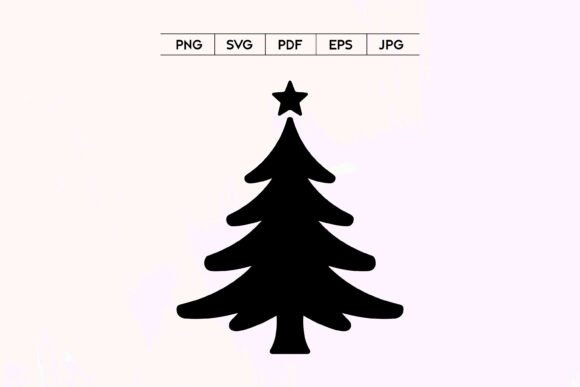
Christmas Tree Silhouette Icon: A Versatile Illustration for Content Creators
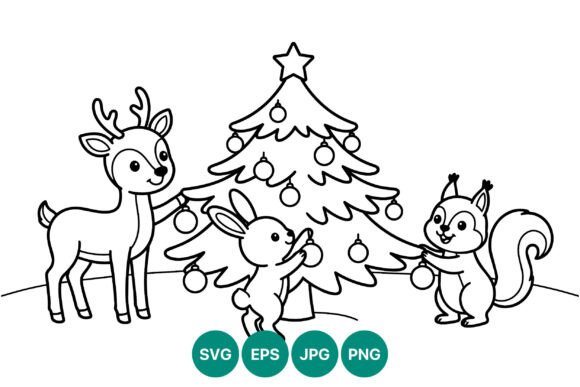
The Christmas Tree Silhouette Icon is a striking graphic design asset that immediately sets a seasonal tone. Its bold, minimalist form communicates the spirit of the holidays with elegance and clarity. As an experienced blog designer and digital publisher, I’ve reviewed countless illustrations, but this one stands out for its ability to blend into a wide range of editorial contexts while still making a strong visual impact.
Editorial Mood and Reader Perception
This silhouette feels modern yet festive, creating an atmosphere that’s warm without being overly sentimental. It works well in lifestyle-focused content, especially around holiday themes like gift guides, cozy home decor, seasonal recipes, or travel tips. The clean lines suggest professionalism, which can help elevate your brand identity even in casual niches.
Depending on how you use it, the illustration can support both playful and refined moods. When paired with soft pastel colors and handwritten fonts, it takes on a more whimsical feel. On the other hand, when used against solid backgrounds with modern sans-serif typography, it becomes a subtle symbol of sophistication. This duality makes it an excellent fit for bloggers who want to maintain a consistent aesthetic across multiple posts or campaigns during the holiday season.
Content Niche Compatibility
- Lifestyle blogs: Perfect for holiday-themed articles or roundups.
- Travel & adventure sites: Use it as a visual cue for winter getaways or Christmas destinations.
- Cooking and food publishing: Enhances recipe cards, printable menus, or themed meal guides.
- Small business branding: Adds a festive touch to product pages, promotional banners, or email campaigns.
- Affiliate marketing: Can be incorporated into lead magnets like free printable calendars or holiday shopping checklists.
Real Publishing Workflow Integration
In my own workflow, I often look for assets that can serve multiple purposes without losing their effectiveness. The Christmas Tree Silhouette Icon fits this role beautifully. Here are some practical applications I’ve tested and recommend:
- Blog featured images: Placed subtly behind headlines, it reinforces seasonal relevance without overpowering the message.
- Pinterest pins: When layered over high-quality product shots or text-based infographics, it adds visual interest and helps categorize the pin at a glance.
- Newsletter headers: Used as a decorative element, it gives your subscribers a clear signal that the content is timely and curated.
- Category thumbnails: Ideal for organizing seasonal archives or holiday-specific landing pages.
- Digital guides and worksheets: Works well as a border accent or background element in printables related to holiday planning, budgeting, or DIY projects.
- eBook covers: A great choice for book titles centered on Christmas traditions, crafts, or family activities.
- Canva templates: Compatible with most drag-and-drop tools, allowing quick customization for social media posts or email campaigns.
Visual Hierarchy and Brand Consistency
One of the key strengths of this illustration is how it supports visual hierarchy. In editorial layouts, the tree can act as a directional guide—drawing attention from the top of the page down toward the main content. Its simplicity also means it won’t compete with text or photography, which is essential when crafting content that needs to be scannable and easy to digest.
For websites that focus on content marketing or affiliate marketing, maintaining a cohesive brand identity is crucial. This icon allows you to do just that by appearing consistently across your site’s visuals—whether it’s on a hero image, a sidebar widget, or a call-to-action button. Over time, it becomes part of your visual language, helping readers instantly recognize your seasonal offerings.
Where This Design Asset Shines
Here are the top scenarios where the Christmas Tree Silhouette Icon can enhance your website or editorial layout:
- Hero images: Add depth and thematic clarity to your homepage or landing pages.
- Article thumbnails: Makes your content stand out in grids or lists, especially when using white space strategically.
- Pinterest graphics: Increases click-through potential when used as a focal point in vertical compositions.
- Blog graphics: Serves as a unifying element in a series of holiday-themed posts.
- Downloadable resources: Boosts the perceived value of freebies like holiday planners or gift tags.
- Social media previews: Ensures your Instagram stories or Facebook posts align visually with your overall brand theme.
Performance-Driven Benefits
Using this icon isn’t just about aesthetics—it directly impacts how your content performs. Here’s how it can contribute to better results:
- Improves first impression by signaling a festive, approachable vibe.
- Enhances click-through potential on Pinterest, especially when combined with clear typography and contrasting colors.
- Supports category recognition by reinforcing the holiday theme across different sections of your site.
- Strengthens visual identity through repeated use, helping build reader trust and familiarity.
- Boosts the professional appearance of content pages, making them more shareable and credible.
Where Caution Is Needed
While the Christmas Tree Silhouette Icon is versatile, it's not universally appropriate. Here are some cases where you should use it carefully:
- Small mobile thumbnails: The details may become too subtle at smaller sizes, reducing visibility.
- Text-heavy blog images: If the tree competes with large blocks of text, it could distract rather than assist.
- Low-contrast backgrounds: Ensure there’s enough contrast between the icon and its backdrop for legibility.
- BUSY layouts: Avoid layering it on top of complex patterns or dense imagery, which might dilute its effect.
- Serious professional niches: While adaptable, the silhouette may not suit corporate or formal content unless styled appropriately.
- Websites with minimal visual systems: For brands that rely heavily on negative space, this icon might introduce unnecessary decoration.
Practical Publisher Notes
Before finalizing this graphic design asset for your next project, here are some steps I always take to ensure optimal performance:
- Test on desktop and mobile screens: Make sure the silhouette remains visible and recognizable across all devices.
- Check thumbnail versions: Resize it to see how it holds up in smaller formats like Twitter cards or article previews.
- Preview in a real blog layout: See how it interacts with your existing design elements and color palette.
- Pair with headline text: Experiment with different font styles (serif, sans serif, script) to find the best typographic match.
- Review contrast and readability: Especially important if you’re placing it over photos or textured backgrounds.
- Try black and white variations: Confirm it retains its visual strength in grayscale for printed materials or monochrome web sections.
- Assess file size: Optimize the image to avoid slowing down page load times, particularly on mobile networks.
- Confirm commercial licensing: Before using it on monetized websites, affiliate pages, or paid content products, make sure the license permits such usage.
Conclusion in Action
As a seasoned blogger and digital publisher, I know that the right illustration can make all the difference in engaging your audience. The Christmas Tree Silhouette Icon has proven itself as a reliable tool in my design arsenal for seasonal content. It enhances blog graphics, supports editorial design, and brings a polished finish to digital downloads.
If you're looking to refresh your holiday content strategy, consider adding this icon to your collection of design assets. Just remember to test it thoroughly within your specific web design context and ensure it aligns with your brand identity. Done right, it can significantly boost your social media graphics, improve reader trust, and give your content that extra edge needed to stand out in a crowded digital landscape.